
Kingdom Flow Control (KI / KIFC)
Valve Identification &
Replacements
PN / DN – Class / NPS – Model Codes – Nameplate Markings

Common Kingdom Flow Control (KI / KIFC) Nameplate & Body Markings
Engineers typically contact us after finding the following markings on Kingdom Flow Control Valves already installed in plant or pipeline systems.
Common nameplate information
- Manufacturer: Kingdom Flow Control / KI / KIFC
- Valve Type: Ball valve, gate valve, check valve
- Model / Figure Number: e.g. KV-L6N
- Pressure Rating: PN16 / PN40 or ASME Class #150–2500
- Size: DN50, DN100 / NPS 2″, 4″, etc.
- Body Material: Carbon steel, stainless steel
- Trim Material: Often stainless steel (316 / 304)
- Standard: EN 12516-1 / ASME B16.34 (common)
Common cast & body markings
- PN / DN cast into the body or flange
- Class / NPS markings on flanges
- Material codes cast into the valve body
- Flow direction arrows (where applicable)
- Heat numbers or batch codes
- CE / PED markings on the tag
If you have partial markings or worn nameplates, photographs of the valve body and flanges are often enough for us to help identify it.
Common Kingdom Flow Control Valve Types
The Kingdom Flow Control valves we most regularly encounter in service are ball valves, most commonly supplied in firesafe configurations for critical isolation duties.
In practice, we most often see:
- Trunnion-mounted and floating ball valves
- Firesafe designs, typically compliant with API firesafe requirements
- Flanged end connection to ASME (ANSI #150, 300 etc.) / EN (PN10, PN16 etc.) standards
- Manual, gearbox, or actuator-ready configurations (ISO 5211 mounting standards)
- Carbon steel and stainless steel bodies for pipeline and process use
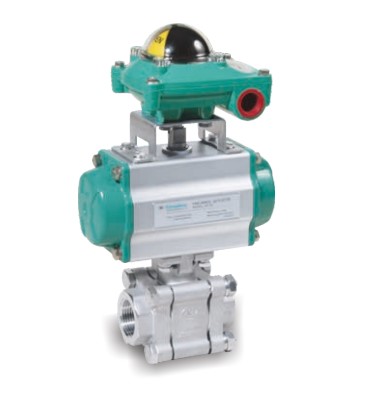
These valves are typically installed where reliable shut-off, fire integrity, and long service life are required, particularly in oil & gas and pipeline applications.
If you are unsure whether a valve is firesafe, nameplate details, drawings, or photographs of the body and stem area are usually sufficient for confirmation.
Obsolescence & Legacy Installations
In some cases, original Kingdom Flow Control models may be obsolete or superseded, particularly on older installations. This does not necessarily prevent replacement.
Where direct equivalents are unavailable, we can assist with:
- Identifying suitable alternative, updated models
- Ensuring compatibility with existing flanges, bolt patterns, and face-to-face dimensions
- Reviewing actuation requirements, including ISO mounting and torque considerations
- Supporting project or maintenance documentation where needed
The aim is to reduce disruption while ensuring the replacement valve meets the original duty and regulatory expectations.
Engineers do not need a full datasheet to start the identification process.
Partial nameplate details or clear photographs are often sufficient to determine a suitable replacement route.
What Engineers Typically Send Us
To help identify or replace a Kingdom Flow Control valve, engineers usually provide one or more of the following:
- Photographs of the valve nameplate
- Photographs of body or flange cast markings (PN / DN, Class / NPS, material codes)
- Model or figure numbers, where legible (e.g. KV-L6N)
- Basic service information (media, pressure, temperature)
- Confirmation of firesafe or regulatory requirements, if known
Full datasheets are not required to start the process.
In many cases, clear photographs alone are enough to confirm the valve type, size, pressure class, and replacement options.
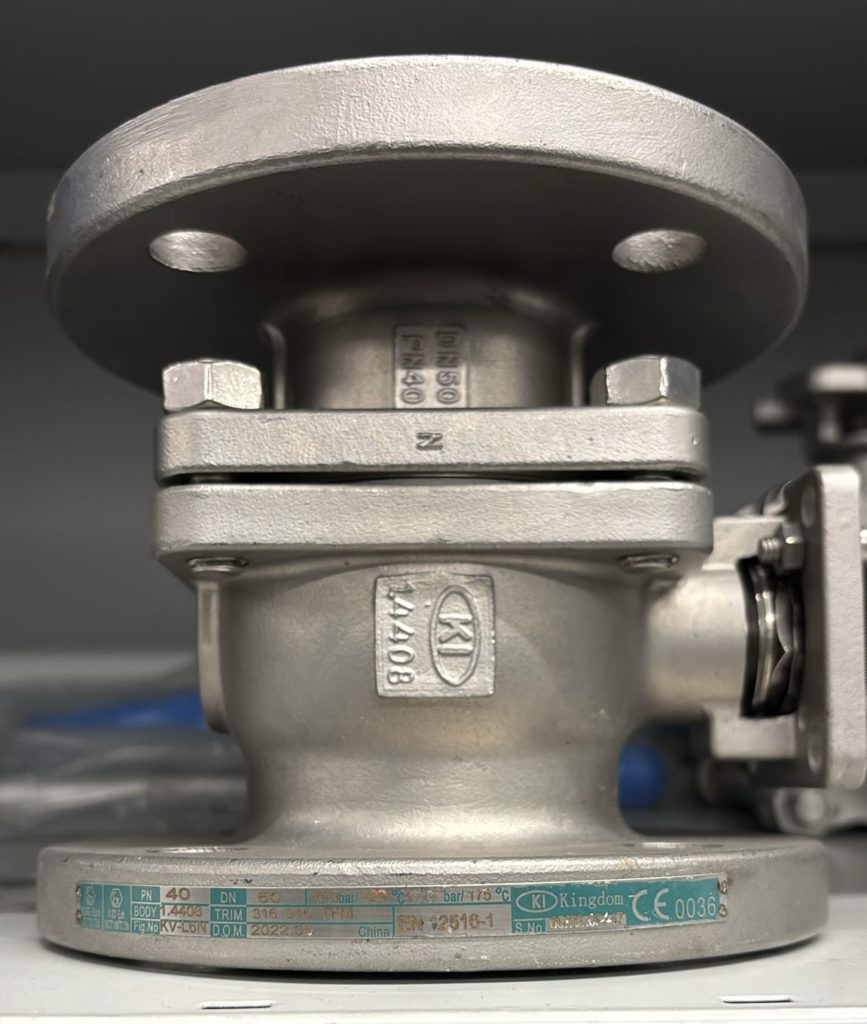
A Useful Tip
If the nameplate is damaged or unreadable, wide shots of the valve body and flanges are often just as helpful as close-ups.
Need Help Identifying a Kingdom Flow Control Valve?
If you have a Kingdom Flow Control (KI / KIFC) valve in service and need help with identification, specification confirmation, or replacement, you can send us the details you have available.
This may include:
- Nameplate photographs
- Body or flange markings
- Model or figure numbers
- Basic service conditions
You don’t need a full datasheet to get started.
Email the available details or photographs, and we’ll review them and advise on identification and suitable replacement options where required.